The Health Equity Innovation Series is a monthly talk series hosted at Stanford Biodesign that brings together a community of researchers, physicians, thought leaders, and entrepreneurs to educate, inspire, and engage communities around equitable health innovation.
Across low-and-middle income countries, the case for perinatal mental health is increasingly well made. What comes next is harder: how do you actually build integrated perinatal mental healthcare inside maternal and child health services that are already stretched? From Policy to Practice is a five-part online workshop series for the people responsible for making integration happen: ministry officials, maternal and newborn programme managers, mental health programme managers and district health managers, NGOs supporting MCH and reproductive health services, development partners and researchers across the region.
Digital health tools are expanding rapidly across public health systems, but having a tool isn't the same as having one that is trustworthy, user-friendly, safe, accessible, effective, and integrated into the larger health system. This five-part webinar series, hosted by Population Services International, explores what it takes to build digital health tools that work in the real world. Drawing on perspectives from public health managers, healthcare providers, implementing partners, and civil society, the series will look at how to design tools people want to use, build them responsibly, maximise their accessibility, assess the value they create, and integrate them into health systems for sustainable scale.
Join UCSF for the launch of the new Center for Global Maternal and Child Health, an IGHS-Bixby Collaborative. The symposium will showcase the great work happening across UCSF, with opportunities to participate, from lightning round presentations, round tables, posters, and more.
Join colleagues from around the world for CUGH's annual Virtual Global Health Week. All sessions are free and open to all. Each of the 1.5-2 hour sessions will address a number of global health challenges with ample opportunities to share information, learn, and build new partnerships with global health professionals worldwide.
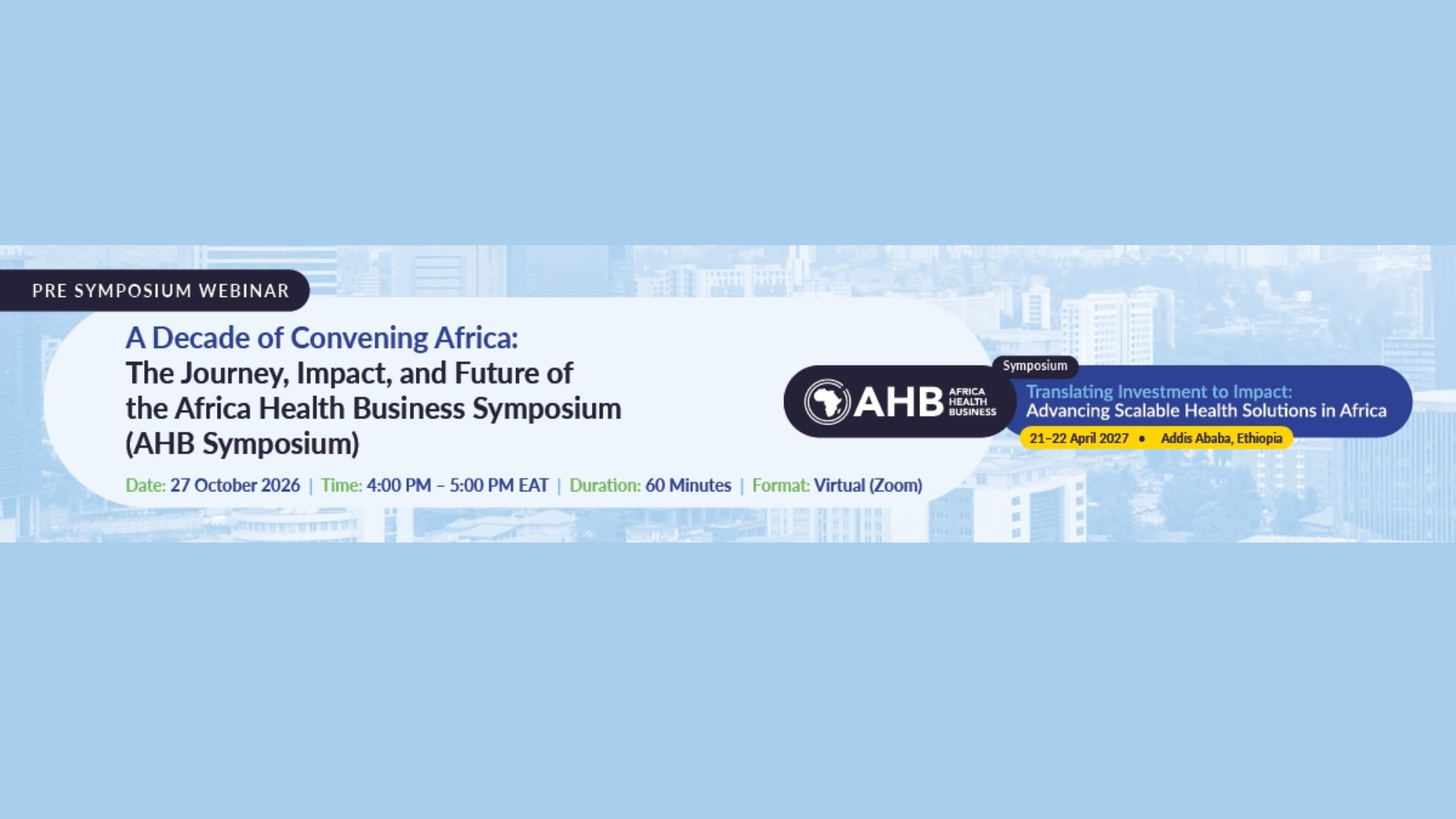
Africa Health Business' first webinar looks back on ten years of the AHB Symposium, convening of governments, the private sector and global health partners. A decade of convening teaches you what turns discussion into action. AHB Managing Director, Marloes Kibacha, and Executive Chairman, Dr Amit N. Thakker, will sit down for a fireside chat on the Symposium’s journey and what AHB looks forward to in future editions, starting with Addis Ababa next year.
This event will bring together the Stanford Global Health community including students, staff, postdocs, medical trainees, faculty, and community supporters to celebrate the upcoming year. This is a great chance to reconnect with old friends of the center and meet new additions to our community. You will also learn about exciting new initiatives and opportunities in global and planetary health.
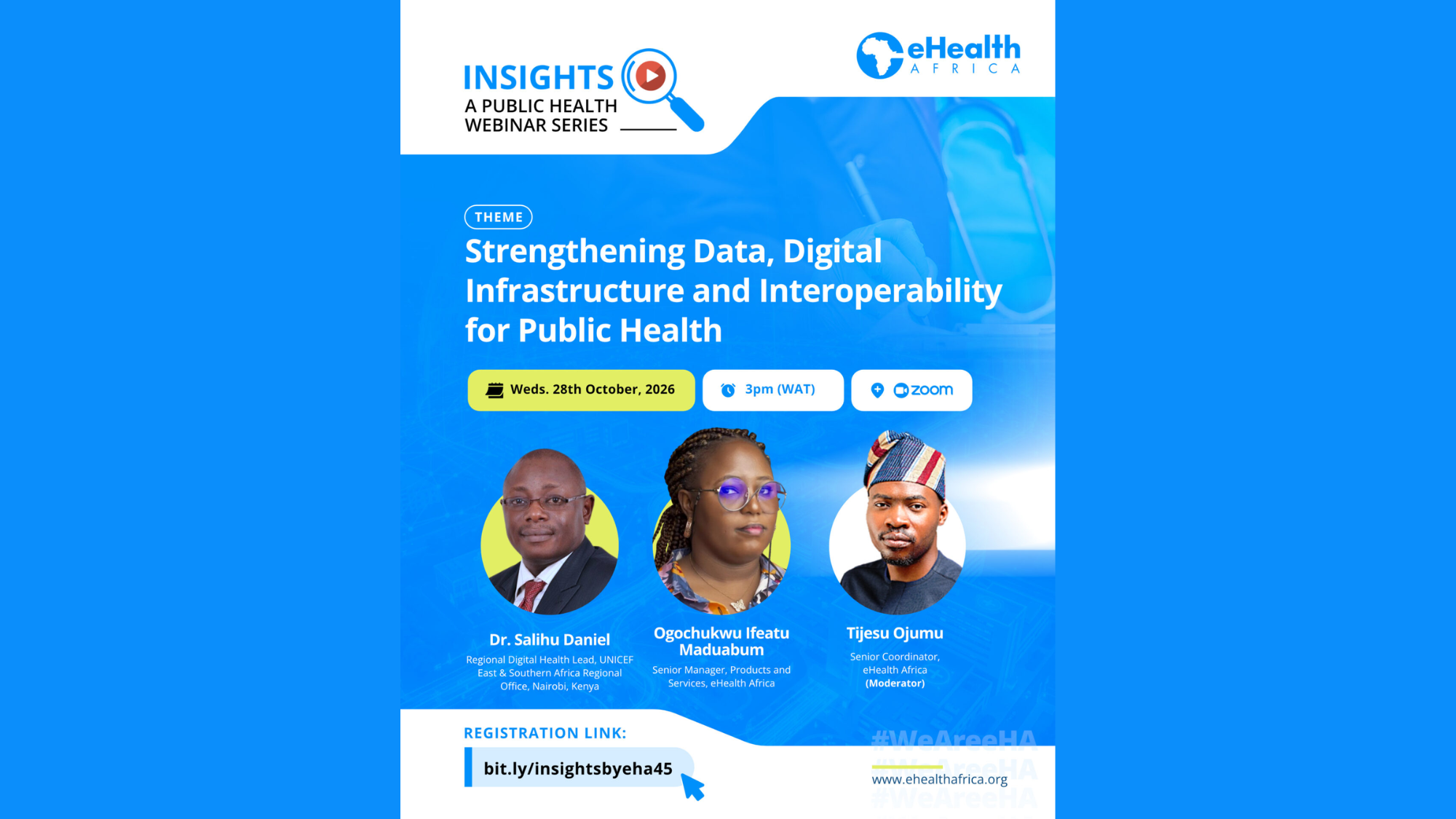
Building on conversations from eHealth Africa's Insights Learning Forum (ILF) 2026, this edition of the Beyond ILF Webinar Series will bring together leading experts to explore practical pathways towards connected, interoperable and sustainable digital health systems across Africa. The discussion will examine how stronger data governance, Digital Public Infrastructure, sustainable financing, institutional ownership and strategic partnerships can help countries move beyond isolated digital solutions towards integrated health ecosystems that translate data into actionable public health intelligence.
As countries work to control and eliminate Plasmodium vivax, questions remain about the role of radical cure in reducing transmission and sustaining progress toward elimination. While elimination may be a long-term goal for some countries, others must prioritize controlling disease burden and transmission. This session will explore the epidemiological evidence behind P. vivax persistence, the role of radical cure in control and elimination strategies, and the implications for countries pursuing different malaria goals.
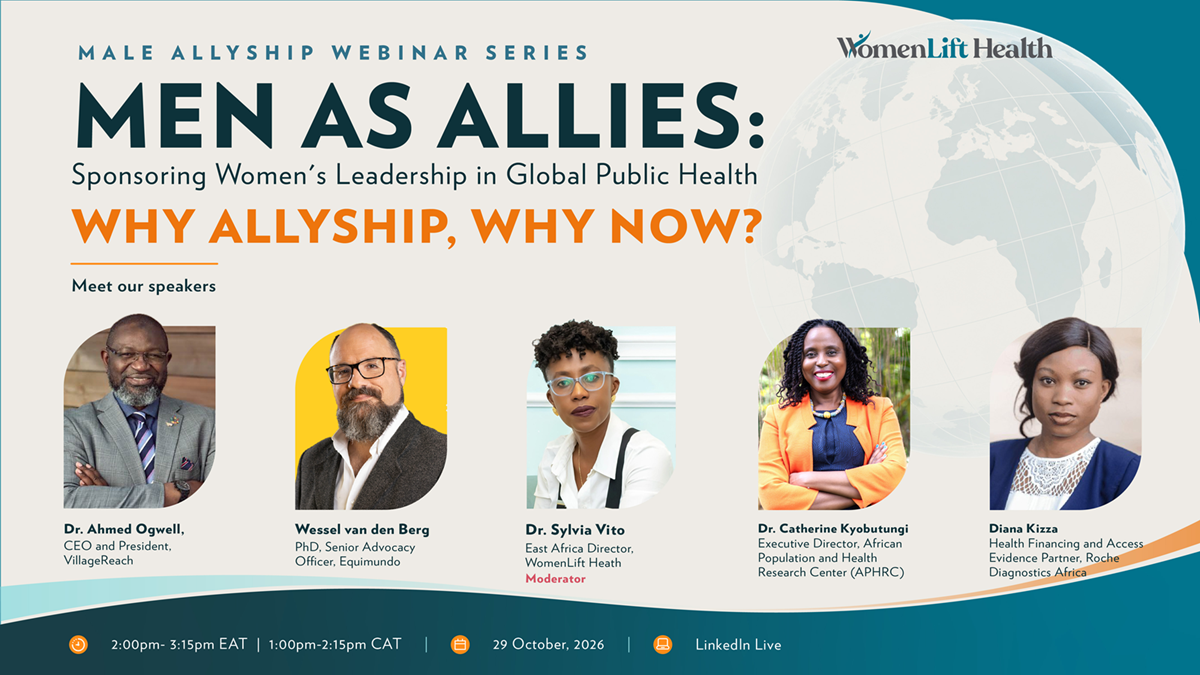
Join WomenLift Health for the launch of Men as Allies, a five-part conversation series with male leaders who are already sponsoring women, sharing platforms, and challenging the norms that hold women back, and who will commit publicly to what they will do next.
The America First Global Health Strategy (AFGHS) has been in place for just over a year, reshaping how U.S. global health assistance is financed and delivered. The one-year mark is a chance to compare the strategy as presented with the strategy as experienced. Join GHC to take stock of year one, hear country and civil society perspectives on the consequences, and identify opportunities for collective action to strengthen accountability in year two.
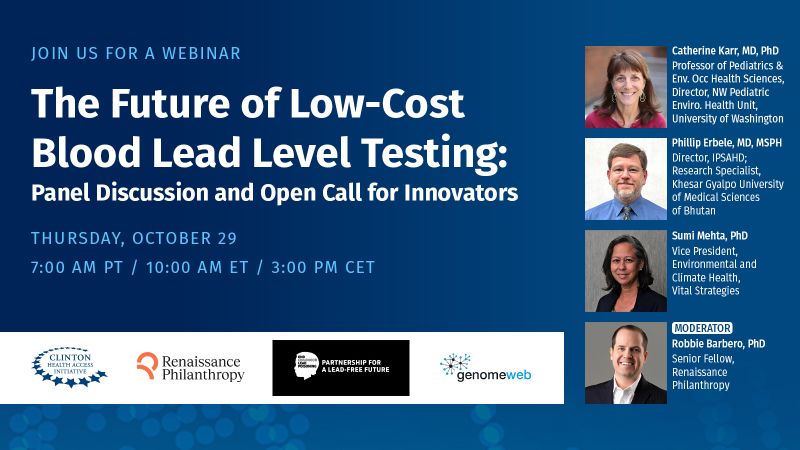
In July 2026, the Clinton Health Access Initiative (CHAI) and Renaissance Philanthropy published a target product profile (TPP) setting out what a rapid point-of-care blood lead level test would need to do to work at scale. This panel discussion will feature users of these tests in clinical and field settings joined by technical experts in lead diagnostics. The panel will talk through where current technologies fall short, what the TPP asks of a new test, and what public health programs could look like if blood lead level tests were easy to use and routine.
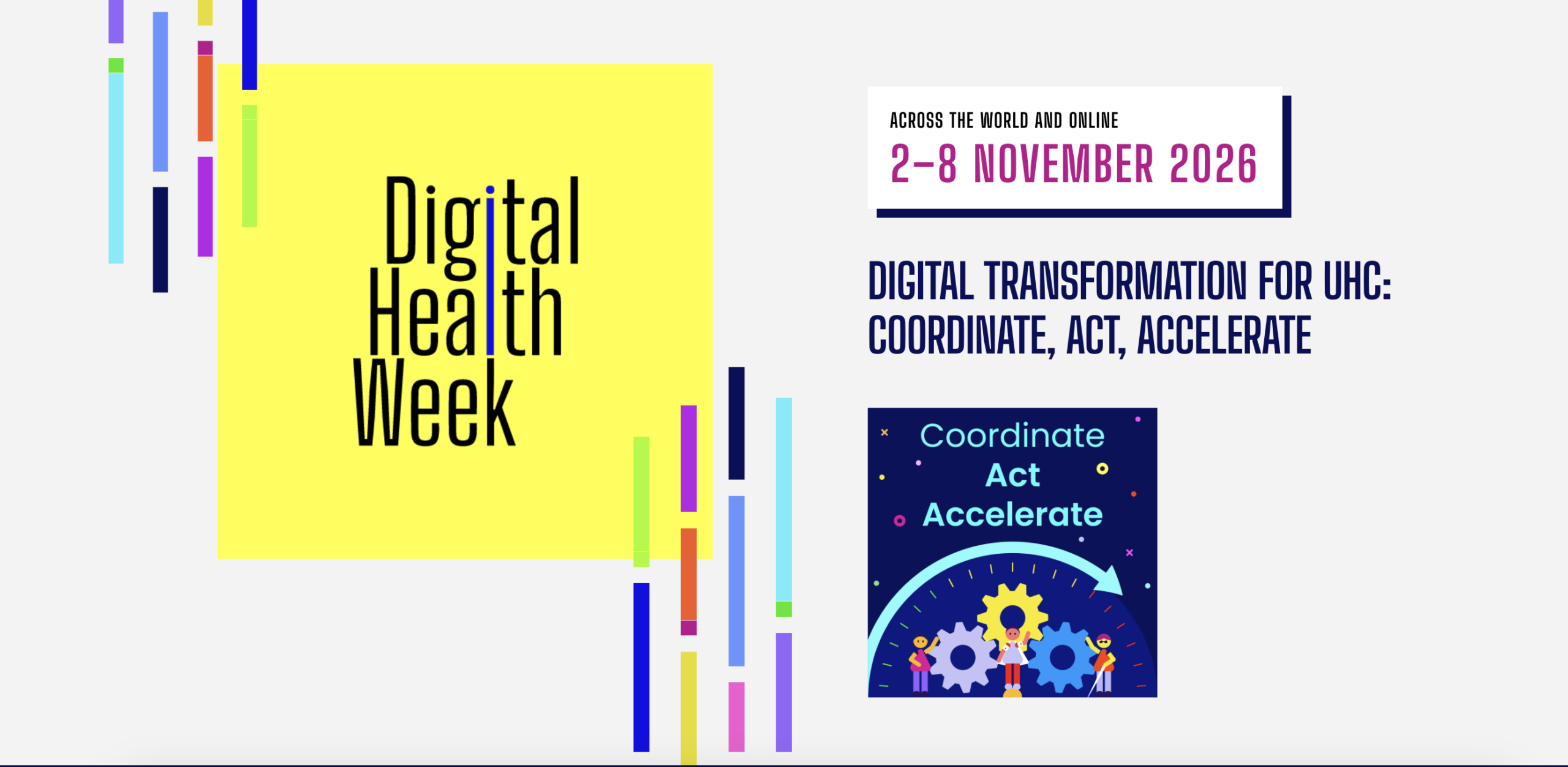
Digital Health Week 2026 is a global week of action led by Transform Health and partners across the digital health community. This year, the week is closely linked to the Roadmap to 2030: Health for All in the Digital Age. The Roadmap sets out five goals, with ambitions and actions to accelerate the digital transformation of health systems and progress towards universal health coverage by 2030.
Join the Stanford Center for Innovation in Global Health (CIGH) and Stanford Center for Human and Planetary Health (HPH) for this Global Health Fall Research Spotlight featuring Steve Luby, MD, Lucy Becker Professor of Medicine, director of the Stanford Center for Human and Planetary Health, and research director at the Stanford Center for Innovation in Global Health. He will discuss theories of change in global health, based on decades of impactful global health research, and share insights from his new book.
Join PHI for light Tex-Mex fare, coffee and connection at the 2026 APHA Annual Meeting in San Antonio, Texas. Meet with its experts to learn how fiscal sponsorship works, what it can offer and whether it might be a good fit for your program today.
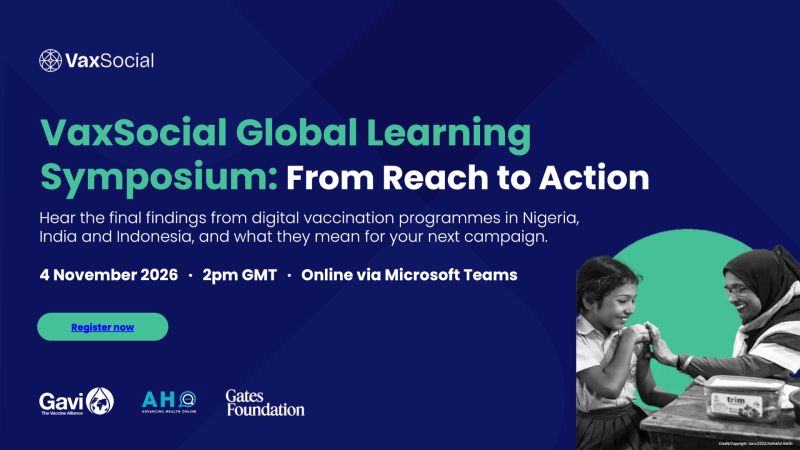
How can digital tools help build vaccine confidence - and how can we sustain their impact? Join the VaxSocial Global Learning Symposium on Wednesday 4 November 2026 at 2:00-3:15pm GMT to explore the evidence from VaxSocial. The 75 minute symposium will feature grantee case studies and provide opportunities to ask questions of the evaluators, grantees and funders. The VaxSocial Initiative is a $12 million programme supporting country-driven projects that use social media and behavioural science to build confidence in routine immunisation. It is being implemented across India, Indonesia and Nigeria. VaxSocial is funded by Gavi, the Vaccine Alliance, and Advancing Health Online (AHO) - a fiscally sponsored project of Global Impact.
Join UCSF IGHS to learn more about the work happening across the institute and its programs. They'll have interactive tables showcasing its work, along with light food and drinks.
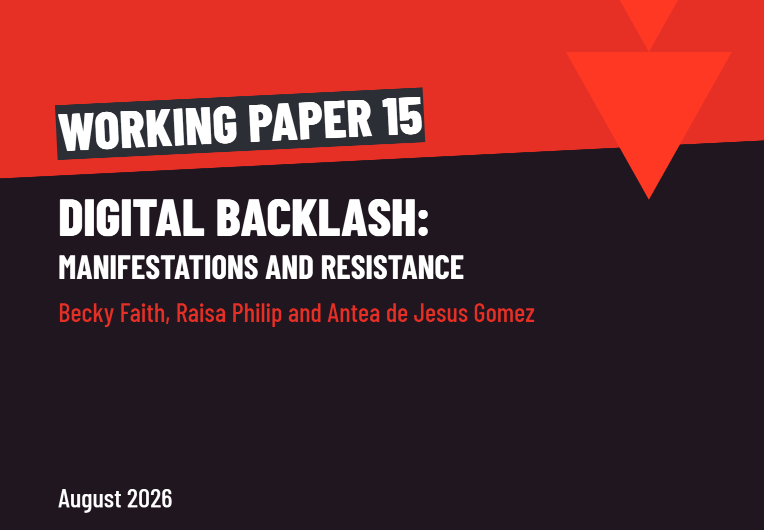
On November 5th, 2026, the Gender, MERL, and AI Learning Group at the MERL Tech CoP will welcome Dr. Becky Faith for a conversation about her new working paper, “Digital Backlash: Manifestations and Resistance”, co-authored with Antea de Jesus Gomes and Raisa Philip. Exploring how digital systems increasingly entrench and amplify gender inequalities with minimal accountability, the working paper argues that in these same systems gender justice advocates are countering the backlash, showing how it is possible to carve out and create new technological trajectories, rooted in care and inclusive futures.
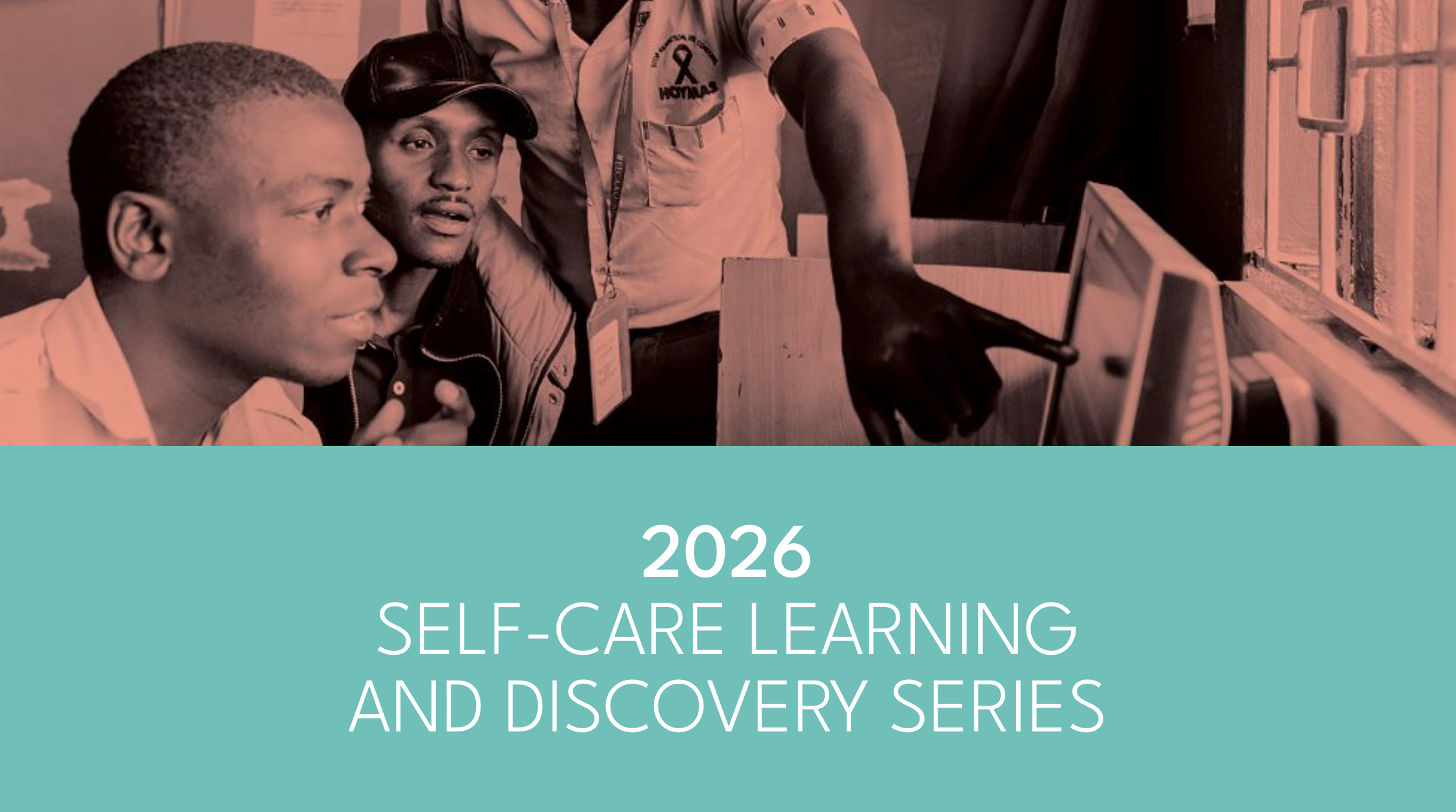
The PSI-led Self-Care Trailblazer Group (SCTG) is hosting the third biennial Self-Care Learning and Discovery Series (SCLADS), running from Thursday, 5 November to Thursday, 10 December. Thirteen interactive sessions will bring together the latest research, lessons learned, and best practices from partners around the world. Topics include self-care financing, family planning, self-testing for HIV and sexually transmitted infections, advocacy, implementation, innovation, health systems, quality, and the role of providers. Come exchange ideas, explore emerging approaches, and connect with colleagues from across the field and around the world.
As world leaders met at the UN High-Level Meeting on Pandemic Prevention, Preparedness and Response in September, the Bundibugyo Ebola outbreak in eastern DRC was and continues to test their commitments in real time. This forum is not an outbreak update or a debate over the commitments themselves. It puts two realities side by side: what the world has committed to and what is actually available when an outbreak occurs.
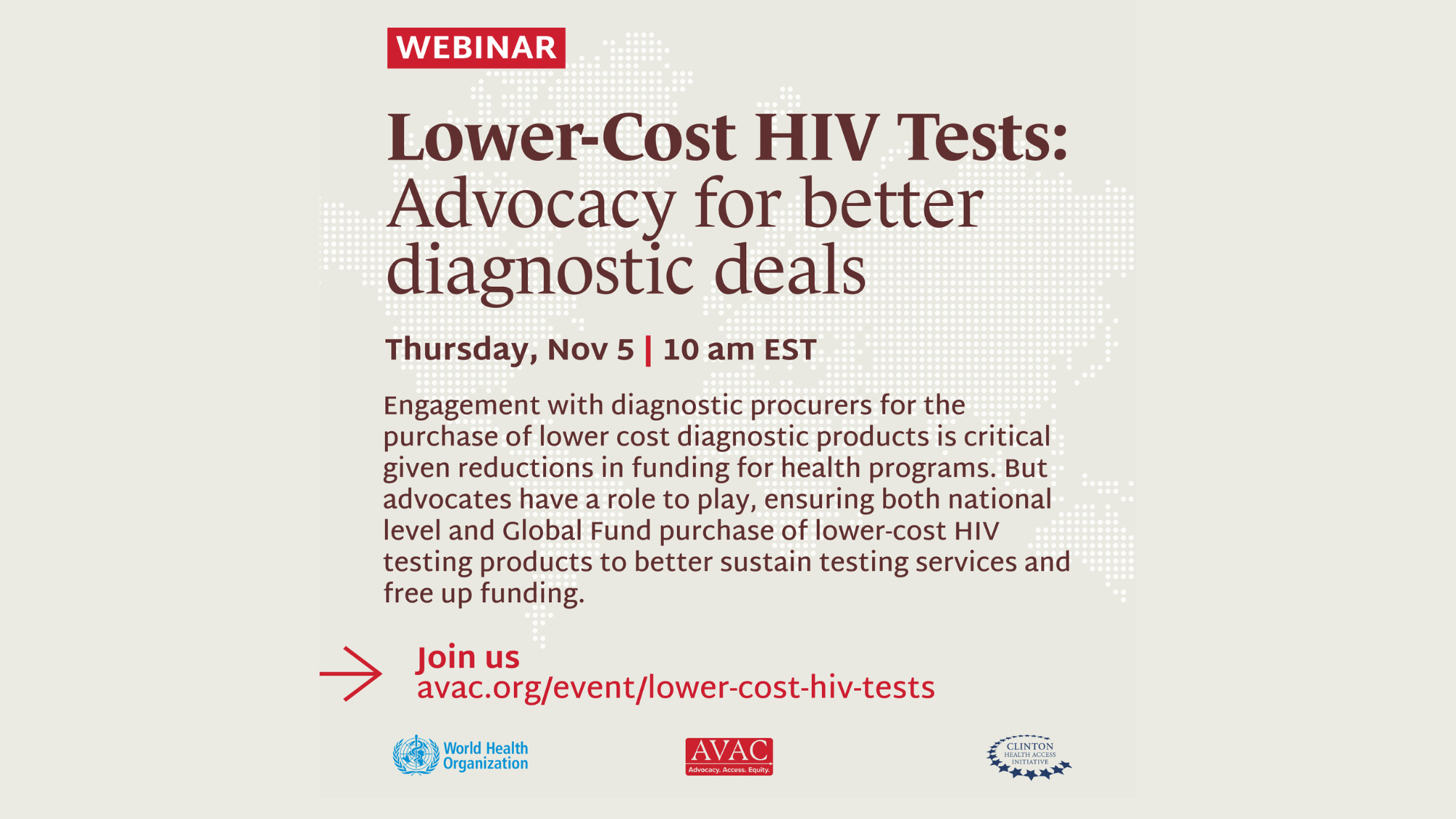
Engagement with diagnostic procurers for the purchase of lower cost diagnostic products is critical given reductions in funding for health programs. International Planned Parenthood Federation’s recent survey on HIV stock-outs in 40 countries showed HIV rapid tests to be the most critically affected product. Global Fund is open to support countries’ adoption of low-cost, WHO pre-qualified HIV tests—both rapid diagnostic tests (RDTs) and HIV self-testing (HIVST). But advocates have a role to play, ensuring both national-level and Global Fund purchase of lower-cost HIV testing products to better sustain testing services and free up funding. Please join AVAC, CHAI, and the WHO for this webinar to unpack some of the basics on HIV testing, pricing and procurement, and to begin a discussion about potential advocacy for change.
Artificial intelligence is rapidly transforming the way health services are delivered around the world, creating new opportunities to expand access, improve quality, and strengthen health systems. At the NCGHA Conference, join leaders from across academia, industry, government, and the nonprofit sector to explore how people-centered AI is being applied in practice, and what it will take to ensure these innovations improve health outcomes for all.
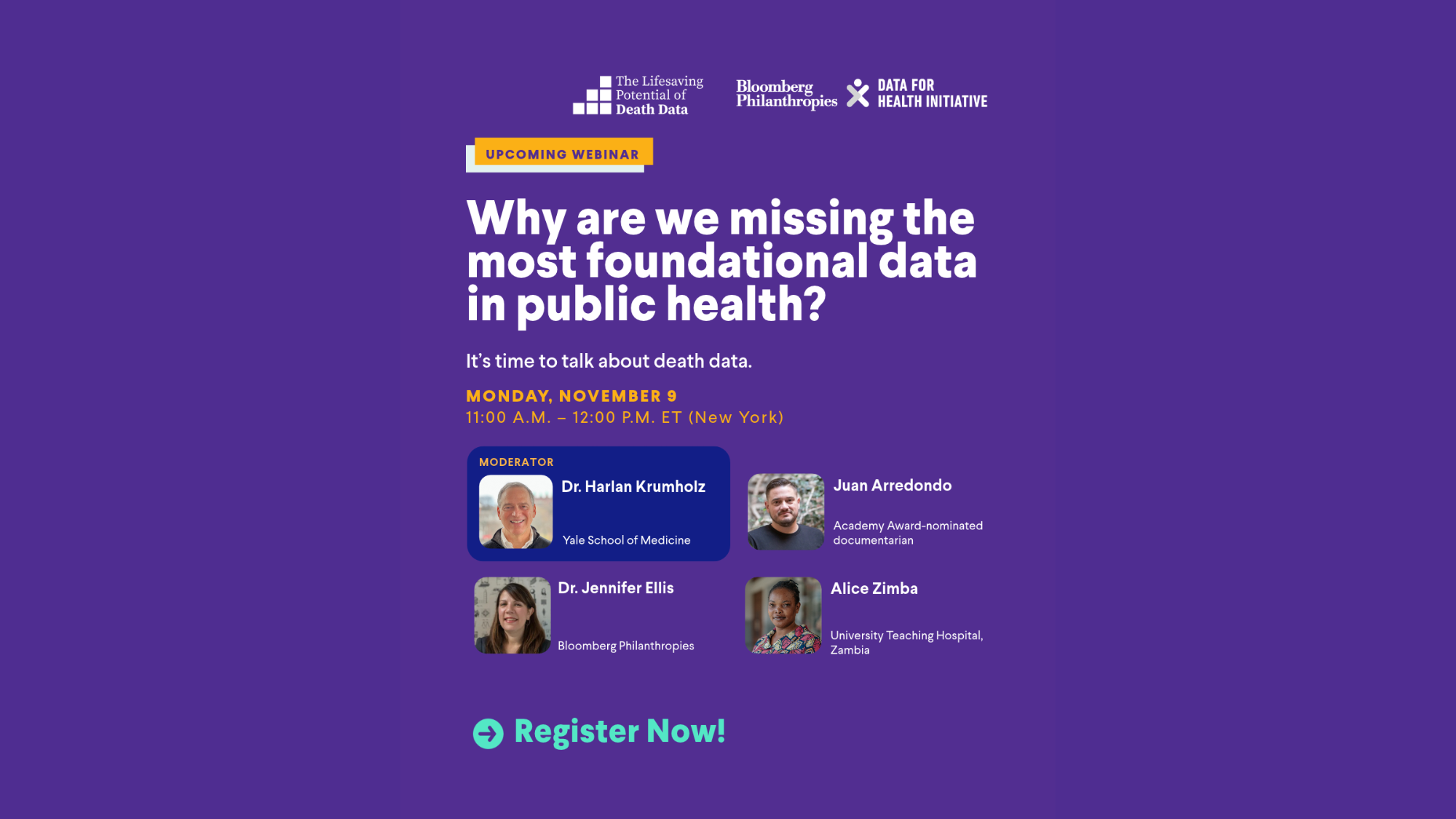
Each year, nearly half of all deaths worldwide go unrecorded – largely in low- and middle-income countries. When governments don’t know who is dying, where, and from what, they cannot effectively prevent deaths and protect their populations. But when countries strengthen their death data collection and analysis, the results are profound. It’s time to talk about death data. On Monday, November 9 at 11:00 a.m. ET, join the Bloomberg Philanthropies Data for Health Initiative for a panel discussion on the lifesaving potential of death data, with real-world country examples of how this data has informed public health policies.
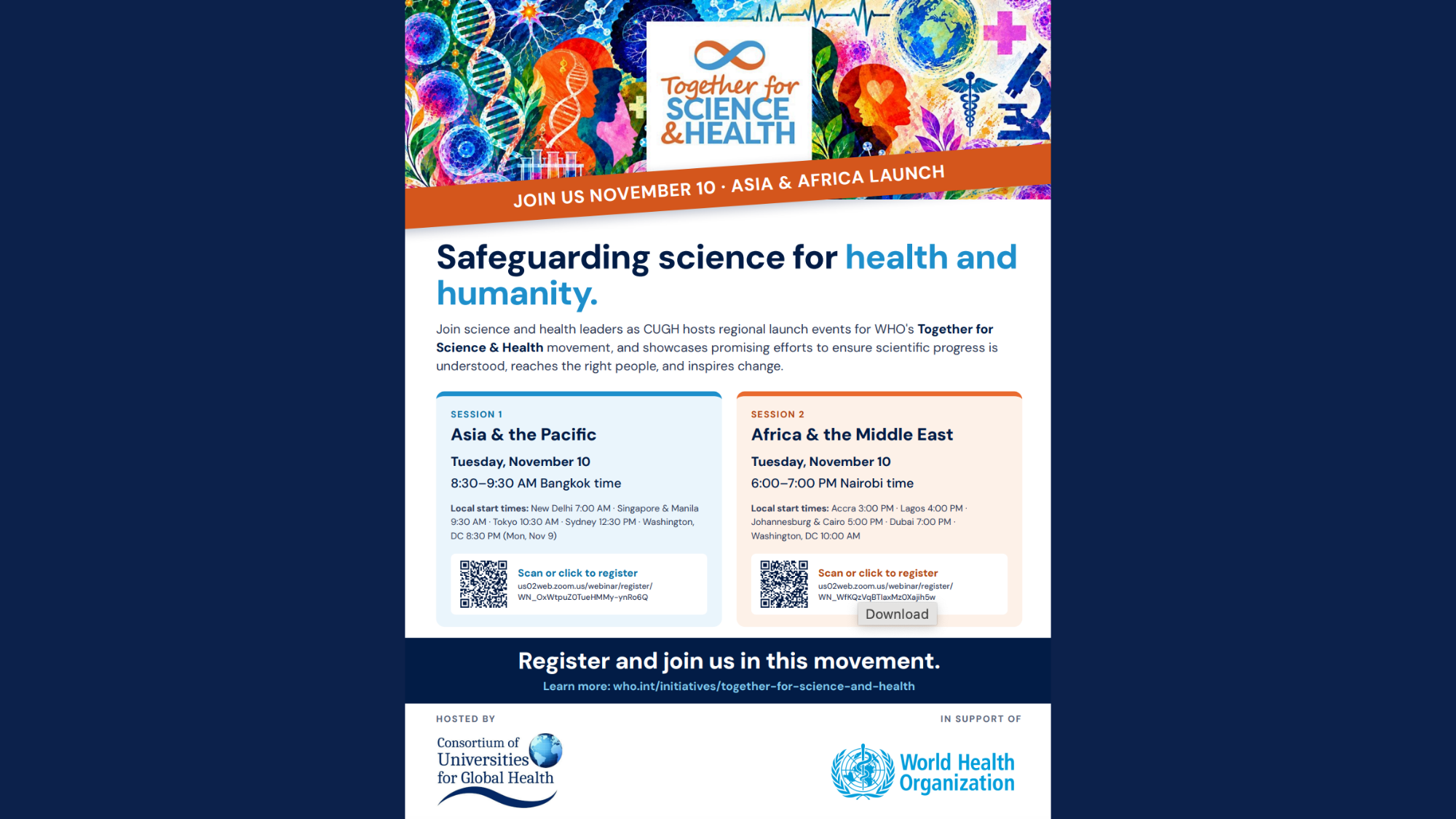
On November 10, 2026, World Science Day for Peace and Development, the World Health Organization launches Together for Science & Health, a global movement that brings together scientists, policymakers, health professionals, communicators, civil society, young people and communities around a shared commitment to science as a foundation for health and well-being. The movement focuses on three connected areas: science and society, science and policy, and science and communication. In support of the launch, the Consortium of Universities for Global Health (CUGH) is hosting two free, open-access webinars to engage its global network of universities, academic institutions and partners across Asia and the the Pacific and in Africa and the Middle East.
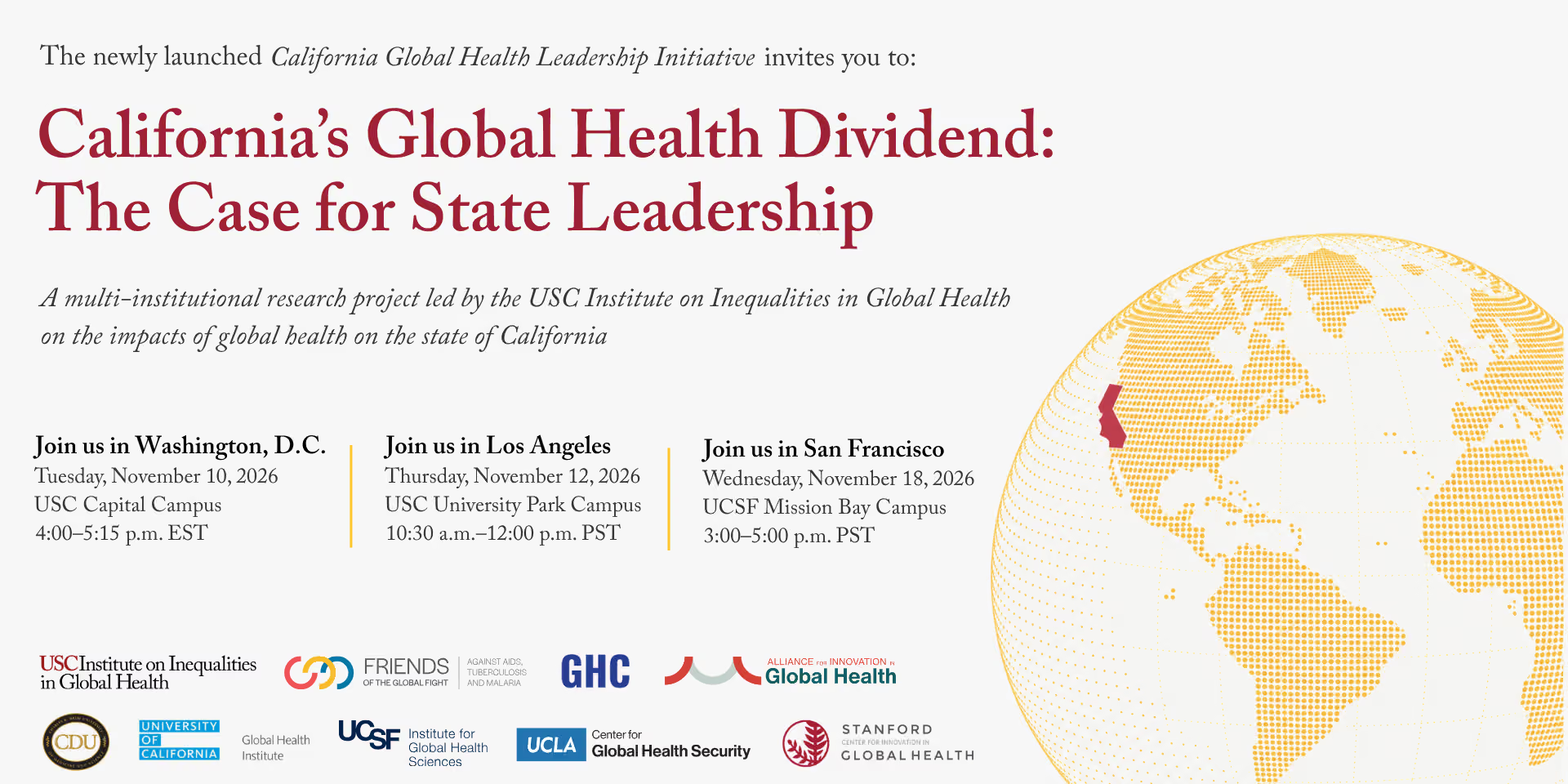
The USC Institute on Inequalities in Global Health, Friends of the Global Fight Against AIDS, Tuberculosis and Malaria and the Global Health Council, together with the Alliance for Innovation in Global Health and our partners, invite you to the launch of the California Global Health Leadership Initiative and the release of a new multi-institutional report on California’s global health dividend: the return that U.S. global health investment brings to the nation’s largest state.
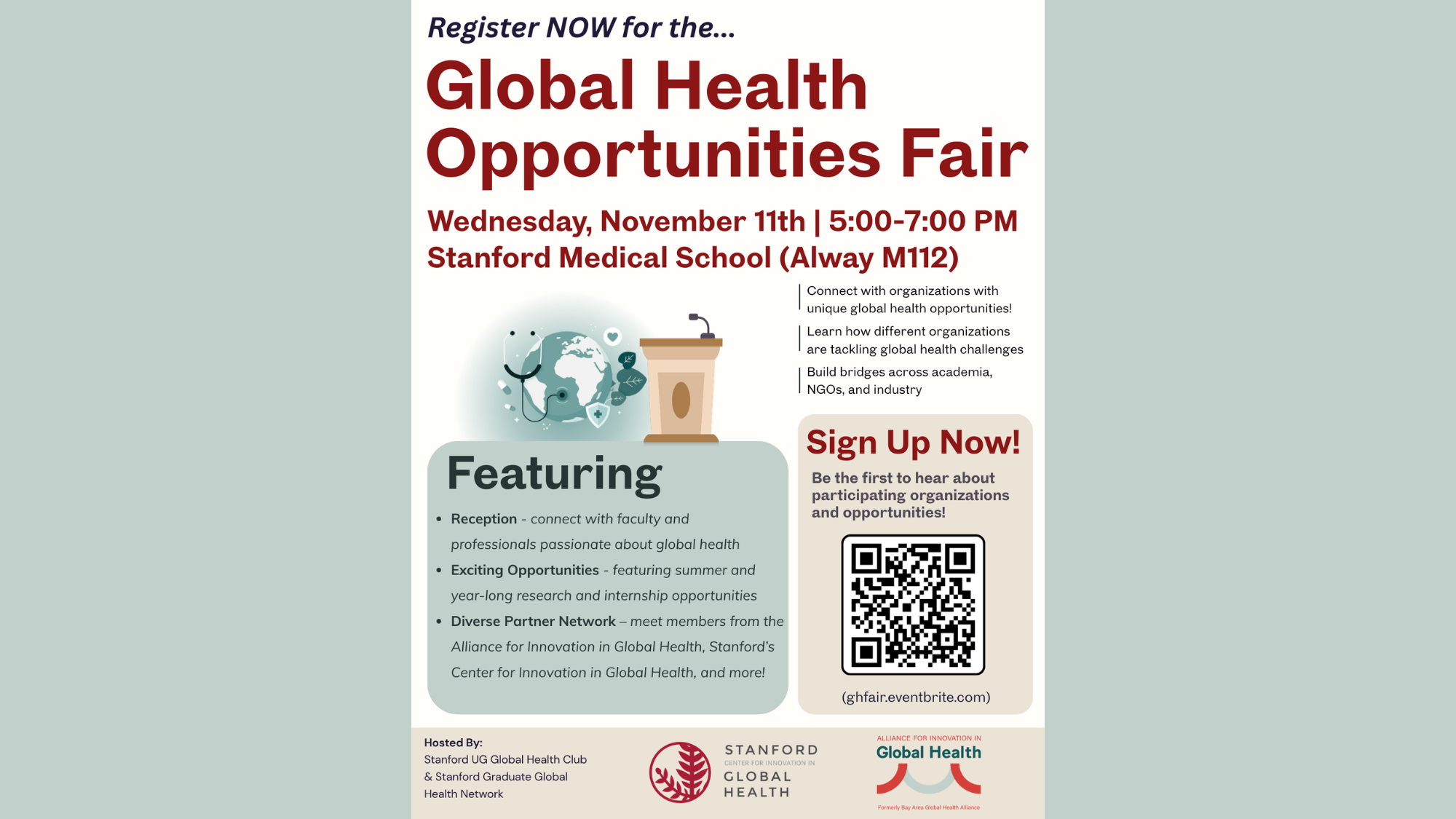
Join the Alliance's Student Advisory Council and Stanford CIGH for the Global Health Opportunities Fair on November 11th at Stanford Medical School (Alway M112)! This is an exciting opportunity for students to connect with researchers and professionals in the field of global health. This in-person event will feature networking and opportunities for learning about organizations’ global health projects and support needs, and research on cutting-edge topics in global health. Don't miss out on this chance to expand your network, connect with potential internship or volunteer opportunities, and collaborate with like-minded individuals passionate about improving global health outcomes!
The USC Institute on Inequalities in Global Health, Friends of the Global Fight Against AIDS, Tuberculosis and Malaria and the Global Health Council, together with the Alliance for Innovation in Global Health and our partners, invite you to the launch of the California Global Health Leadership Initiative and the release of a new multi-institutional report on California’s global health dividend: the return that U.S. global health investment brings to the nation’s largest state.
Join PATH on November 12 for a special Inside Global Health conversation featuring John Donnelly, author of the new book Lifeline, in discussion with Dr. Barbara Marston and Nomi Fuchs-Montgomery. Moderated by Kate Davidson, they'll reflect on the people, partnerships, and leadership behind PEPFAR's success and explore what those lessons mean for the future of global health.
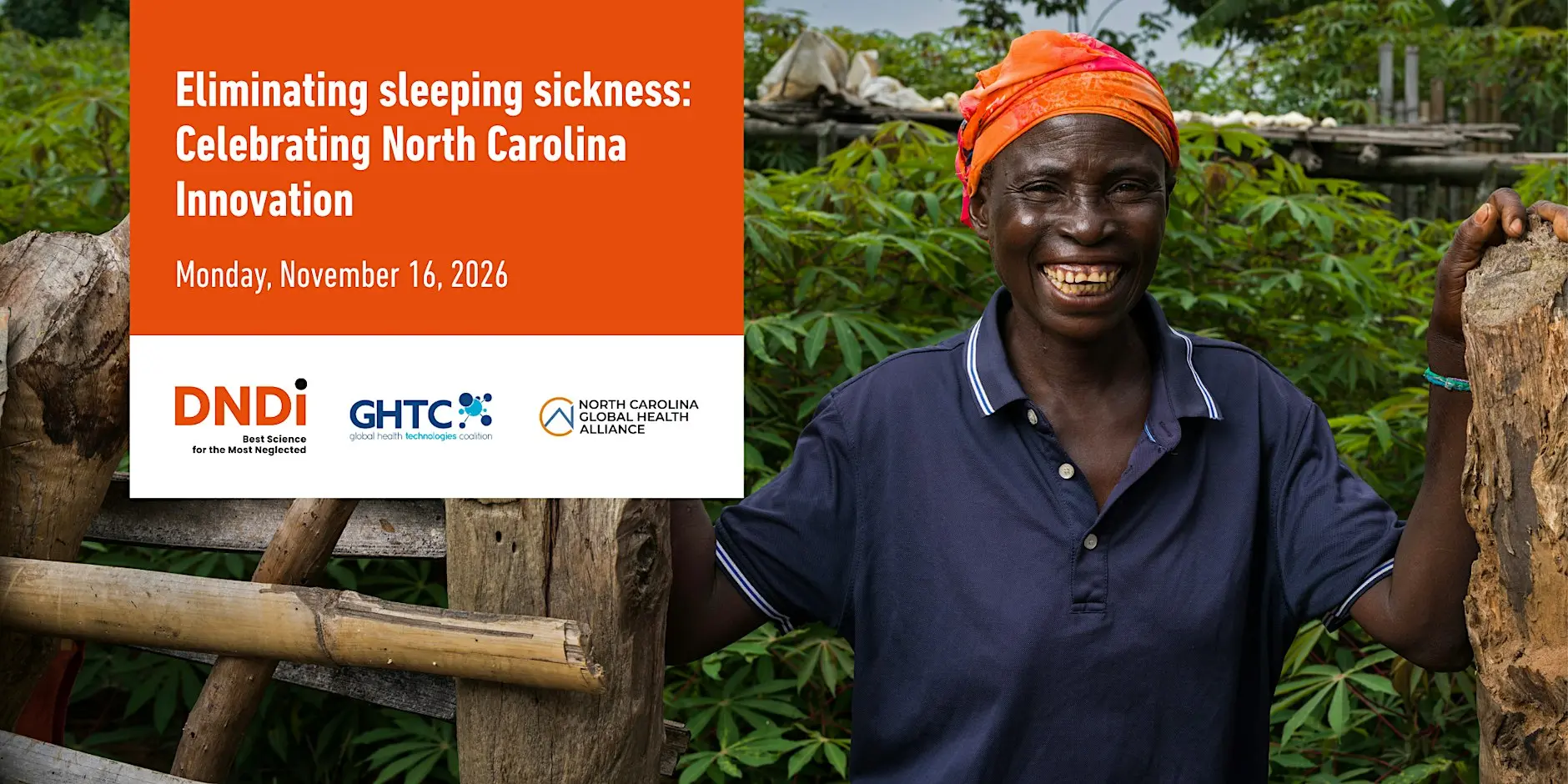
Join the Drugs for Neglected Diseases initiative, Global Health Technologies Coalition, and North Carolina Global Health Alliance for a special event celebrating acoziborole, a groundbreaking single-dose treatment for sleeping sickness, and the North Carolina scientists whose pioneering work helped make this breakthrough possible.
The HealthAI Global Governance Forum (HealthAI GGF) is an annual, flagship event that gathers global actors at the forefront of health, responsible AI, and governance. The Forum will bring together senior voices across health, AI, governance, policy, regulation, civil society, academia, industry and global health to explore the future of responsible AI in health.
The CUGH Academic Partnerships Program Initiative (APPI) Subcommittee presents: South-South Global Health Partnerships Showcase. A discussion about successful South-South partnerships, featuring AFREhealth (African Forum for Research and Education in Health) and the Infectious Diseases Institute of Makerere University in Uganda, will engage in an interactive discussion on what key features, successes, and challenges of South-South global health partnerships. This discussion will take place on November 18 and is hosted by Stanford University and UCSF Institute for Global Health Sciences, and presented by CUGH Academic Partnerships Subcommittee.
The USC Institute on Inequalities in Global Health, Friends of the Global Fight Against AIDS, Tuberculosis and Malaria and the Global Health Council, together with the Alliance for Innovation in Global Health and our partners, invite you to the launch of the California Global Health Leadership Initiative and the release of a new multi-institutional report on California’s global health dividend: the return that U.S. global health investment brings to the nation’s largest state.
The Inteleos Foundation, in partnership with the American National Standards Institute (ANSI) and the University of Global Health Equity (UGHE), invites you to its inaugural Innovation Exchange. A dynamic gathering designed to catalyze collaboration and accelerate action toward closing the global imaging gap. Celebrating five years of innovation with its Imaging for Impact Accelerator, the Inteleos Foundation will convene visionaries, implementers, experts, and sector leaders committed to transforming healthcare through medical imaging and diagnostic innovation. The Innovation Exchange will showcase diagnostic deployment progress and challenges from the field, share critical lessons and data yielded from POCUS pilot tests, and explore new solutions and plan for scale with summit stakeholders.